Introduction
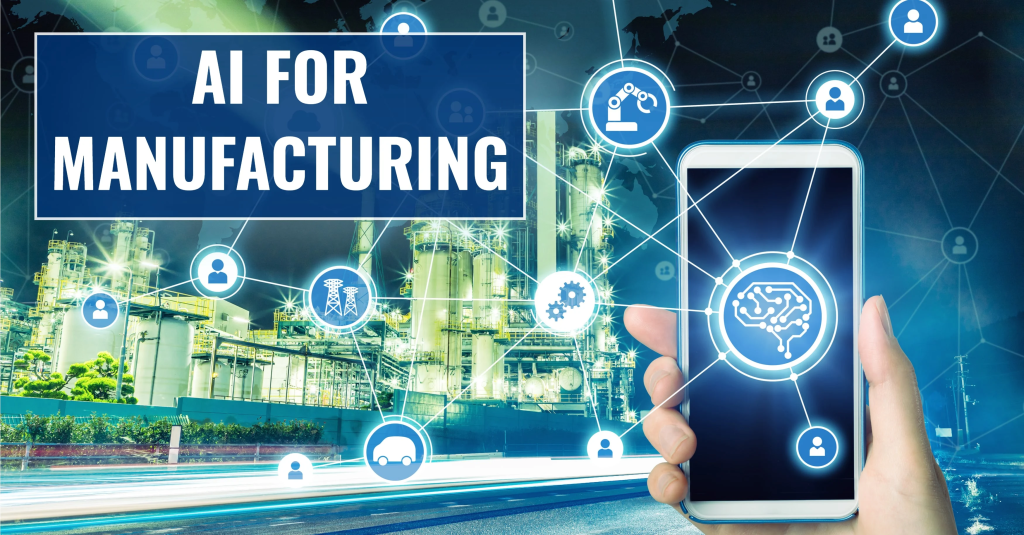
In the rapidly evolving landscape of manufacturing, Artificial Intelligence (AI) is playing a pivotal role in revolutionizing traditional processes. From predictive maintenance to production planning, inventory management, and procurement, AI is reshaping the manufacturing sector. In this article, we will delve into four key use cases of AI in manufacturing, exploring how advanced algorithms and machine learning are enhancing efficiency, reducing costs, and optimizing operations.
AI in Predictive Maintenance
Predictive maintenance is a critical aspect of manufacturing, ensuring that machinery operates optimally while minimizing downtime and maintenance costs. AI in predictive maintenance takes it to the next level by leveraging data analytics and machine learning algorithms to forecast equipment failures before they occur.
- Continuous Monitoring:
AI enables continuous monitoring of equipment health by analyzing real-time data from sensors and machinery. Machine learning models process this data to identify patterns and anomalies, predicting potential issues and allowing for proactive maintenance. - Predicting Failure Patterns:
By analyzing historical data and equipment performance, AI algorithms can identify failure patterns and trends. This enables manufacturers to schedule maintenance during planned downtimes, minimizing disruptions to production and reducing the need for emergency repairs. - Reducing Downtime:
AI in predictive maintenance significantly reduces unplanned downtime by providing early warnings of potential equipment failures. This proactive approach allows manufacturers to schedule maintenance during periods of lower production demand, optimizing overall operational efficiency. - Cost Savings:
The implementation of AI in predictive maintenance leads to substantial cost savings. By avoiding unexpected breakdowns and reducing the frequency of preventive maintenance, manufacturers can optimize their maintenance budgets and allocate resources more efficiently.
AI in Inventory Management
Efficient inventory management is crucial for manufacturing companies to meet customer demands while minimizing holding costs. AI in inventory management enhances the process through data-driven insights, demand forecasting, and optimization strategies.
- Demand Forecasting:
AI analyzes historical sales data, market trends, and external factors to predict future demand accurately. This enables manufacturers to maintain optimal inventory levels, preventing excess stock or shortages. - Dynamic Reordering:
AI-driven inventory systems continuously adapt to changing demand patterns. By automatically adjusting reorder points and quantities, manufacturers can avoid overstocking or stockouts, optimizing supply chain efficiency. - Supplier Performance Analysis:
AI evaluates supplier performance by analyzing delivery times, quality, and reliability. This information allows manufacturers to make informed decisions about supplier relationships, ensuring a seamless and reliable supply chain. - Reduction of Holding Costs:
AI in inventory management minimizes holding costs by preventing overstocking and obsolescence. By aligning inventory levels with actual demand, manufacturers can free up capital that would otherwise be tied up in excess inventory.
AI in Production Planning
Efficient production planning is vital for meeting customer demand, optimizing resources, and ensuring timely product delivery. AI in production planning introduces data-driven decision-making, predictive analytics, and optimization algorithms.
- Dynamic Production Scheduling:
AI enables dynamic production scheduling by considering real-time data, market demand fluctuations, and resource availability. This ensures that production schedules are flexible and adaptable to changing conditions. - Optimizing Resource Allocation:
AI algorithms optimize the allocation of resources, including machinery, labor, and raw materials. By analyzing historical production data, AI ensures that resources are utilized efficiently, minimizing waste and maximizing output. - Reducing Lead Times:
AI in production planning reduces lead times by streamlining processes and improving overall efficiency. Predictive analytics help identify potential bottlenecks and optimize workflows, ensuring timely delivery of products to customers. - Enhanced Decision-Making:
AI provides production managers with actionable insights for decision-making. By analyzing data on production efficiency, quality, and costs, AI helps identify areas for improvement and optimization within the production process.
AI in Procurement
Efficient procurement is essential for maintaining a robust supply chain, minimizing costs, and ensuring the availability of necessary resources. AI in procurement introduces automation, data analysis, and predictive modeling to streamline the procurement process.
- Supplier Evaluation:
AI assesses supplier performance by analyzing historical data, delivery times, and quality metrics. This helps procurement professionals make informed decisions when selecting and evaluating suppliers, ensuring reliability and efficiency. - Cost Optimization:
AI analyzes market trends, pricing data, and supplier quotes to optimize procurement costs. By identifying cost-saving opportunities and negotiating favorable terms, manufacturers can reduce expenses and enhance profitability. - Risk Management:
AI enhances risk management in procurement by analyzing data on geopolitical factors, market volatility, and supplier reliability. This allows organizations to proactively mitigate risks, ensuring a resilient and secure supply chain. - Automated Procurement Processes:
AI automates routine procurement tasks, such as order processing, invoicing, and document verification. This not only reduces manual workload but also minimizes the risk of errors, leading to increased efficiency in procurement operations.
Conclusion
The integration of AI in manufacturing is ushering in a new era of efficiency, optimization, and data-driven decision-making. The use cases discussed – predictive maintenance, inventory management, production planning, and procurement – highlight how AI technologies are transforming traditional processes, providing manufacturers with a competitive edge in today’s dynamic business environment. As manufacturing companies continue to embrace the power of AI, they position themselves for enhanced operational excellence, cost savings, and resilience in an ever-evolving industry. The future of manufacturing is undeniably intertwined with the capabilities of AI, marking a transformative journey toward smarter, more efficient, and agile manufacturing processes.
 Insights Academy